

What Is Trekking?
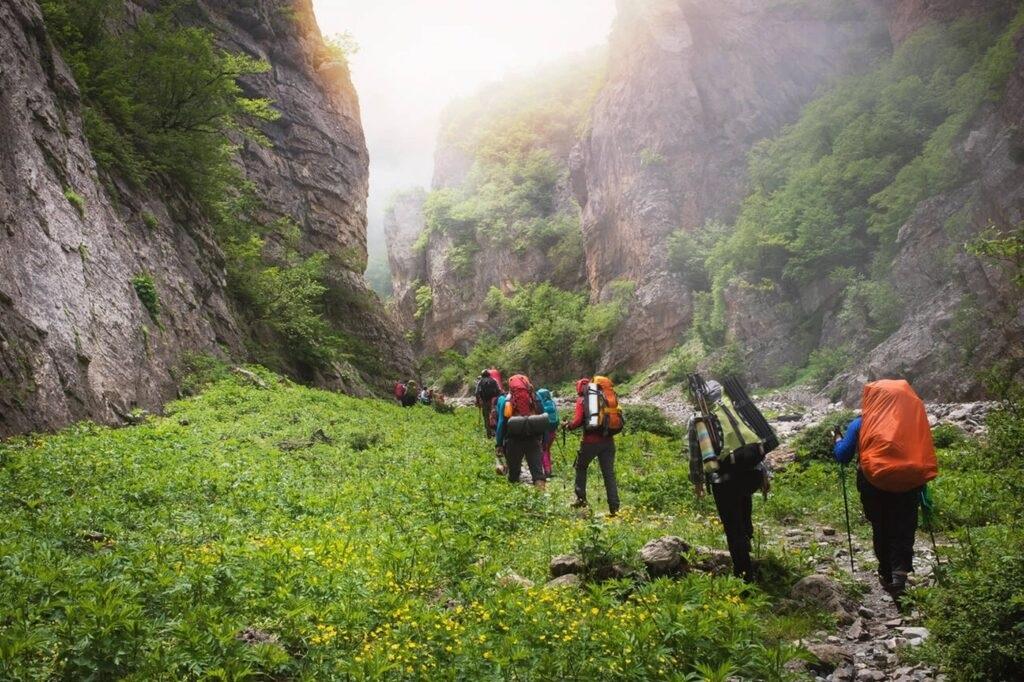
Trekking is a form of walking that takes you along trails winding up, down, over, and around mountains. It lets you experience nature on foot and reach scenic places that few people ever see.
Hiking vs. Trekking
Both are popular outdoor activities, but they differ in several ways.
Duration: A hike usually lasts between 2 and 8 hours. A trek can last several days, weeks, or even months.
Terrain: Hiking follows established trails and footpaths through forests, hills, and mountains. A trek is a long, vigorous journey through wild country, and the terrain changes along the way: mountains, roads, forests, and sometimes even beaches.
Accommodation: Trekkers plan multi-day trips and spend nights in mountain huts, bivouacs, or tents, walking along trails, ridges, and gorges.
Freedom: Trekkers choose their own destinations and routes, which gives them more flexibility than day hikers.
Iran’s varied geography, with forests, mountains, hills, deserts, and beaches, makes it an excellent country for both hiking and trekking.
Health Benefits of Hiking and Trekking
Besides being fun, hiking and trekking can improve your physical and mental health.
Better heart health. Regular walking in nature helps lower blood pressure and reduces the risk of heart disease and stroke.
Better overall fitness. Carrying a backpack builds core strength and endurance. These weight-bearing activities also support bone density and strengthen the thighs, calves, hips, and hamstrings.
Better mental health. Stress and anxiety build up when you spend too much time indoors. Time on the trail helps you step away from daily pressures and clear your mind.
Calorie burning. Hiking burns a substantial number of calories, though the amount depends on your weight, pace, terrain, and pack load. It can support weight management and muscle tone.
A boost to focus and creativity. Time outdoors, with sunlight and a change of scenery, can improve mood and attention, which many people find helps their creativity.
Essential Equipment
Always carry enough food and water, even for a hike of just a couple of hours. A trail can lead to unexpected discoveries that make the trip longer than planned. On a trek, you also need clothing, food, and sleeping equipment, so plan your trip duration carefully to decide how much to carry.
Hiking boots. Comfortable sneakers are fine for short day hikes. For overnight hikes and treks, choose good hiking shoes or boots, ideally with ankle support.
A backpack. A light daypack with a hydration system is perfect for day hikes. For longer treks, a 50-60 L backpack is usually enough to carry food and a tent. Make sure it has a waist belt and adjustable back support.
A tent. A three-season tent is enough for warmer months. In winter, choose a tent with a skirt that can withstand wind, rain, and snow.
A sleeping bag. Choose one rated for the lowest temperatures you expect.
Navigation tools. Carry a detailed map of the area, and for longer treks a compass and a GPS device. Make sure you know how to use them before you go.
With the trekking and hiking tours of KEY2PERSIA, you can experience Iran’s amazing natural attractions with a professional team.
Now that you know what trekking is, what its benefits are, and what equipment you need, read our next articles to learn about the best trekking routes in Iran.