

A world of ancient mystery is located in Iran, with some historic sites dating back (over) to 7000 years, far before (civilization of) the Persian Empire and its capital, Persepolis come into existence.
(This archaeological site is the number one tourist destination) The site is the most visited one in the country, and with good reason. Culture Trip takes a look into why this forgotten empire is one of the greatest wonders of the ancient world and one always wonders how this forgotten empire has been one of the greatest wonders of the ancient world.
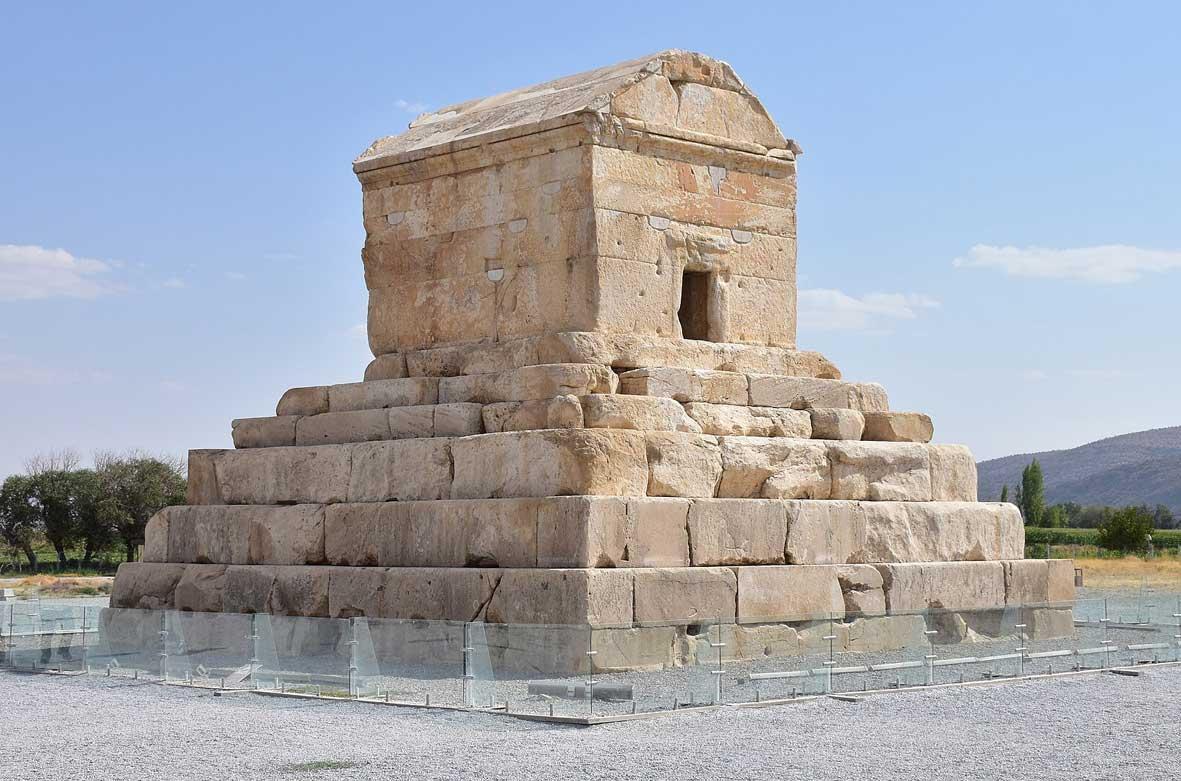
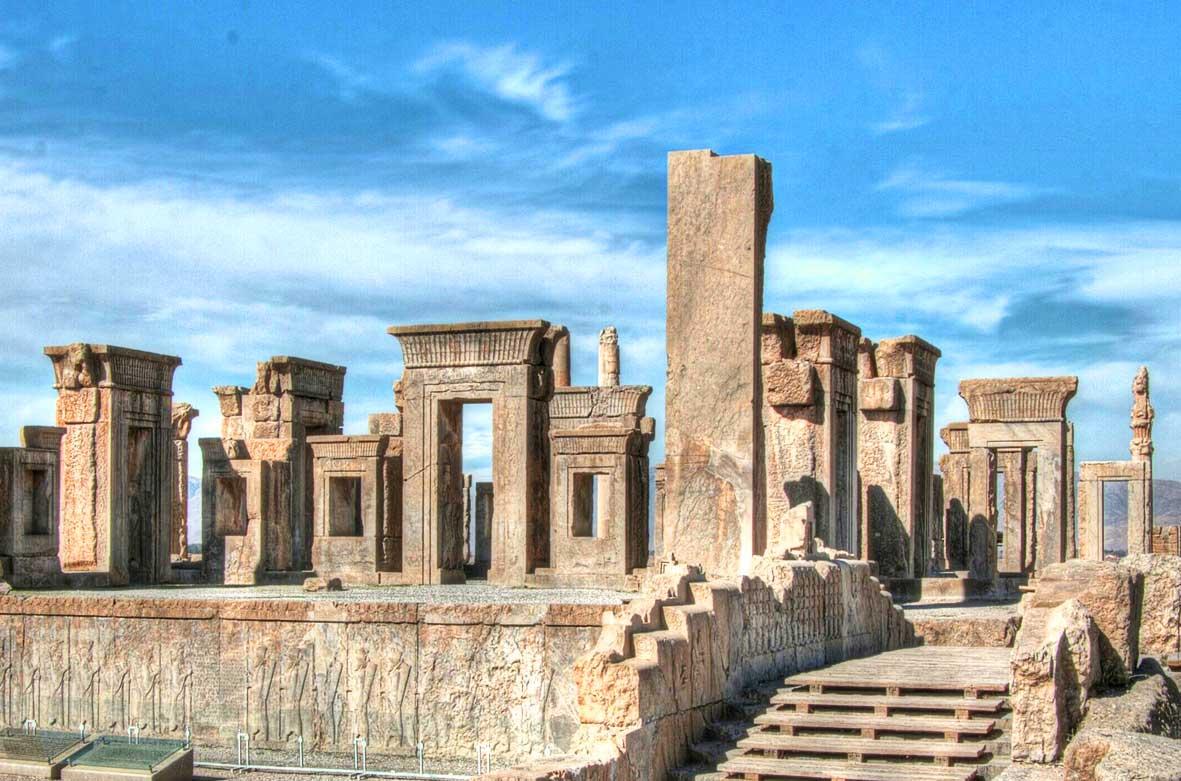
Persepolis is no doubt the main attraction that lures tourists to Iran. Located about 70 kilometers (43.5 miles) outside of the modern city of Shiraz. These ancient ruins served as the capital of the Persian Empire, which spanned across Northern Africa, India, and southern Europe at the height of its power between 500 and 350 BC. Referred to locally as Takht-e Jamshid and established by King Cyrus the Great in the 6th century BC and finished by his son Cambyses II and grandson Darius over the course of 150 years, Persepolis means “city of Persians.” The architecture was to be indicative of its supremacy; therefore, buildings such as the Imperial Treasury, Apadana Palace, and others were constructed.
Bas-reliefs are among the highlights of this archaeological wonder. Lotus flowers and cypress trees frequently appear throughout the site. Other notable carvings represent nobles, dignitaries, and envoys of Ethiopian, Tajik, Indian, Egyptian, and Armenian nationalities, among others, who visited the capital bearing tributes for the King of Kings. Every detail of their face, hair, curly beards, and clothes is both mind-boggling and connected to the present in appearance.
There are eight palaces in Persepolis: Apadana Palace, Tachar Palace, Hadish Palace, The Queen’s Palace, H palace, Se-Dar Palace, Sad Sotun Palace, and Showra Palace. Let’s take a brief look at these palaces.
Apadana Palace:
Apadana is one of the oldest palaces in Persepolis which was built in order of Darius the Great, and its function was mainly for grand ceremonies and celebrations. Apadana means a grand hall with pillars. Many believe that this is the best palace in Persepolis.