


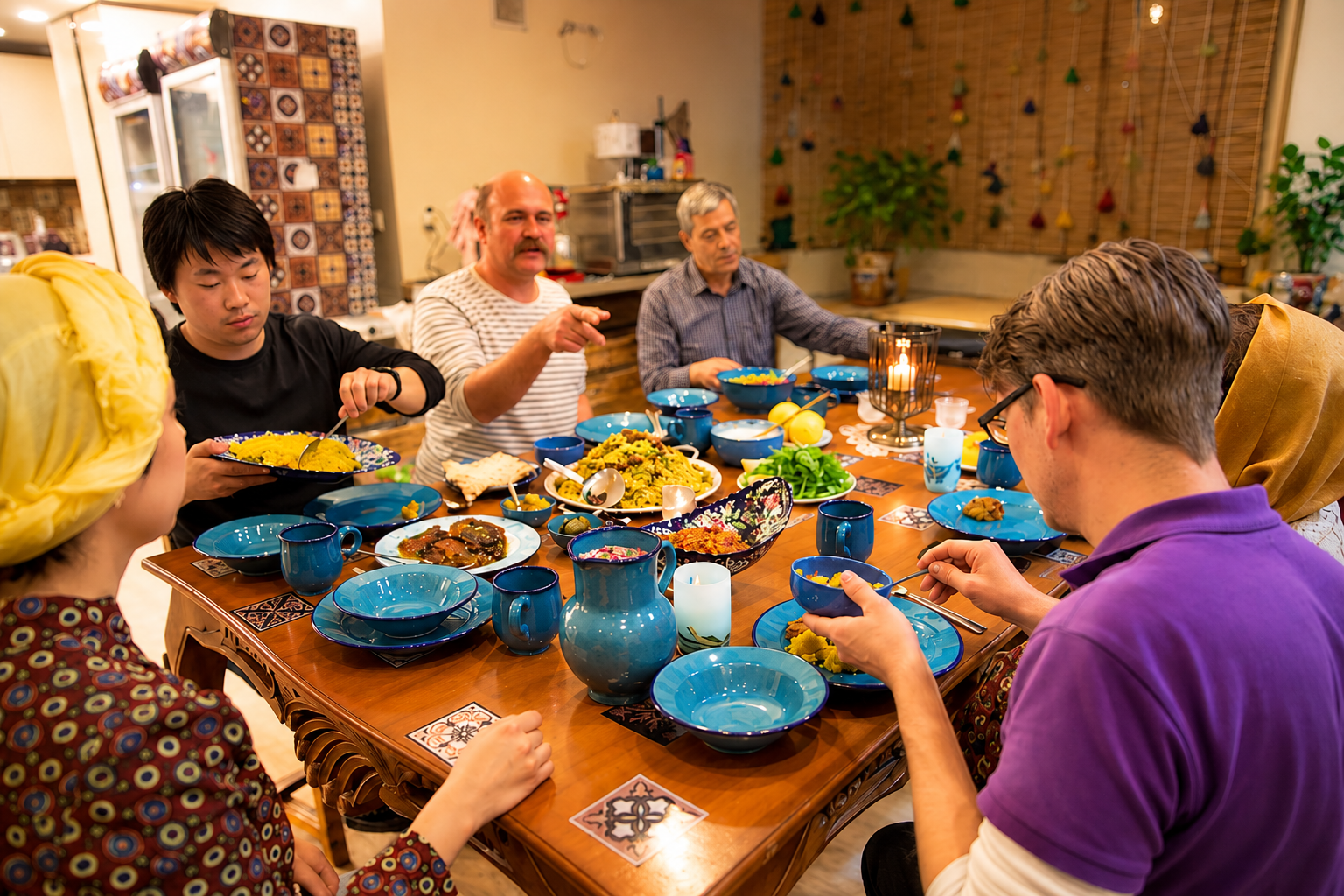
What to Eat in Iran: The Ultimate Guide to Persian Cuisine
Iranian cuisine is a fascinating sensory journey, offering far more than the familiar image of grilled meat skewers. Rooted in centuries of history and tradition, Persian gastronomy celebrates the art of balancing delicate flavors, aromatic herbs, and fragrant spices. From the tangy taste of dried lime (limoo amani) and the sweet-tart richness of pomegranate to the distinctive aromas of saffron and cardamom, every dish tells a story of Iran’s culinary heritage.
Whether you are a passionate food enthusiast or a curious traveler discovering Iran for the first time, this guide introduces you to the country’s most iconic dishes, delicious street food, traditional desserts, and essential dining customs.
Traditional Iranian Dishes You Must Try
Persian cuisine offers an impressive variety of regional specialties, but two categories stand out: kebabs, featuring grilled meat served with rice or bread, and khoresh, a selection of slow-cooked stews traditionally served with Persian rice. Here are some of the most popular dishes to experience during your trip to Iran.
Ghormeh Sabzi: Often regarded as one of Iran’s national dishes, Ghormeh Sabzi is a flavorful herb stew prepared with a blend of aromatic greens, including parsley, cilantro, leek, and fenugreek. Kidney beans, lamb, and dried lime give the dish its distinctive character, combining deep herbal aromas with a pleasantly tangy finish.
Fesenjan: Fesenjan is a rich, elegant stew made with ground walnuts and pomegranate molasses, traditionally prepared with chicken and sometimes duck. Its unique combination of sweet, sour, and savory flavors creates a velvety sauce that makes it a favorite for family gatherings and special occasions.
Chelo Kebab: A cornerstone of Iranian cuisine, Chelo Kebab consists of grilled meat served with steamed Persian rice, often finished with saffron and butter. Popular varieties include Koobideh, made from seasoned minced meat, and Barg, prepared with thin slices of tender meat. Grilled tomatoes and fresh herbs commonly accompany this classic dish.
Zereshk Polo ba Morgh: This beloved Persian dish combines fragrant saffron rice with zereshk, the tart red barberries that give it its distinctive flavor. It is served with tender chicken, usually simmered in a savory tomato-based sauce, creating a delicious balance of sweet, sour, and savory notes.
To discover more of Iran’s culinary traditions, explore our dedicated Iranian Dishes section, where you can find recipes and learn more about the country’s signature specialties.
Iranian Street Food and Traditional Starters
Iran’s culinary scene extends well beyond traditional restaurant dishes. Its street food culture offers travelers an opportunity to discover regional flavors, enjoy affordable meals, and experience everyday Iranian life.
Here are three specialties worth trying:
Ash Reshteh: One of Iran’s best-known traditional soups, Ash Reshteh is a hearty combination of noodles, beans, lentils, and fresh herbs. It is typically garnished with kashk, a tangy fermented dairy product, along with fried onions and sometimes fried mint. Particularly popular during colder months and traditional gatherings, it is a comforting introduction to Persian home cooking.
Falafel Abadani: Especially popular in southern Iran, including the Abadan region, this flavorful street food consists of spiced chickpea fritters served in fresh bread with tomatoes, pickles, and sauces that may feature chili or tamarind. Affordable, satisfying, and full of flavor, it is an excellent choice for travelers looking for a quick local meal.
Sambouseh: These crispy, deep-fried pastries are widely enjoyed as a snack in southern Iran. They are commonly filled with potatoes, vegetables, minced meat, or a combination of ingredients, often seasoned with spices for an extra burst of flavor.
Practical Tips for Eating in Iran
Understanding a few local food traditions will help you enjoy Persian cuisine more fully and make your dining experiences in Iran even more memorable.
1. Discover the Art of Persian Rice and Tahdig
Rice is an essential part of Iranian cuisine, and its preparation is considered an art. One of the most prized elements of a traditional rice dish is tahdig—the golden, crispy layer that forms at the bottom of the pot. Depending on the cooking method, tahdig may be made from rice, bread, or potato slices.
Crispy and delicious, it is often one of the most eagerly anticipated parts of the meal. If your host offers you a piece, consider it a special treat.
2. Enjoy Traditional Accompaniments
Persian meals are often served with traditional breads such as Sangak and Barbari, alongside fresh herbs, cheese, cucumber, and sometimes radishes. These simple accompaniments add freshness and texture to the meal.
Another popular choice is Doogh, a traditional yogurt-based drink that is usually slightly salty and may be flavored with mint. Depending on the variety, it can also be carbonated. Its refreshing, tangy taste makes it an excellent accompaniment to kebabs and other savory dishes.
3. Is Iranian Food Spicy?
Although some regional dishes, particularly those from southern Iran, can be quite spicy, Persian cuisine is generally more focused on aromatic herbs, fragrant spices, and balanced flavors than intense chili heat.
Dried lime, saffron, turmeric, cinnamon, and pomegranate are among the ingredients that give Iranian dishes their distinctive character. Sweet, sour, and savory flavors frequently come together to create complex and memorable combinations.
4. Vegetarian Options in Iran
Although meat plays an important role in many traditional Iranian dishes, vegetarian travelers can also discover a wide variety of delicious options.
Kashk-e Bademjan, a popular dish made primarily with eggplant, often includes kashk, garlic, and fried onions. Baghali Polo, a fragrant rice dish prepared with dill and broad beans, is another well-known Persian specialty, although it is often served with meat.
Vegetarians can also enjoy many soups, herb-based dishes, rice specialties, and vegetable preparations. However, it is worth checking the ingredients, as some dishes may contain meat stock or animal-based products.
Traditional Iranian Desserts You Shouldn't Miss
No culinary journey through Iran would be complete without exploring its traditional sweets. Persian desserts reflect the country’s rich confectionery heritage, with rosewater, saffron, cardamom, nuts, and delicate syrups featuring prominently in many recipes.
From refreshing summer treats to rich, fragrant sweets enjoyed during celebrations, these desserts offer a delicious way to finish a Persian meal.
Sholeh Zard: This traditional Persian dessert is a smooth, saffron-infused rice pudding flavored with rosewater and often garnished with cinnamon and slivered pistachios or almonds. Its golden color and delicate fragrance make it especially popular during religious occasions, celebrations, and traditional gatherings.
Halva: Iranian halva is a rich, soft confection traditionally made with toasted flour, oil or butter, sugar syrup, and often saffron and rosewater. Recipes vary by region and occasion, but the result is a fragrant, deeply flavored sweet that is commonly served at gatherings and commemorative ceremonies.
Faloodeh: Particularly associated with Shiraz, Faloodeh is one of Iran’s most distinctive frozen desserts. It consists of fine vermicelli strands set in a sweet, semi-frozen rosewater syrup. Often served with fresh lime or lemon juice and sometimes sour cherry syrup, it is a wonderfully refreshing treat on a hot summer day.
Bastani Sonnati: Iran’s traditional ice cream is famous for its rich saffron flavor, rosewater fragrance, and generous pieces of pistachio. Some versions also contain faloodeh or are served with frozen clotted cream, creating a distinctive combination of textures and flavors.
Regional Persian Sweets: Iran’s diverse regions are home to an extraordinary variety of traditional confectionery. Gaz, a soft nougat associated with Isfahan, is often made with pistachios or almonds. Sohan, a rich, brittle saffron sweet traditionally associated with Qom, is prepared with ingredients such as wheat germ, sugar, butter, and pistachios. Koloocheh, a traditional filled pastry found in several regions, comes in different varieties, with fillings that may include walnuts, dates, or cinnamon.
Experience the Flavors of Iran
Iranian cuisine is much more than a collection of traditional recipes. It is an expression of hospitality, regional identity, family traditions, and a culinary heritage passed down through generations. From the fragrant rice dishes and slow-cooked stews of Persian home cooking to the lively street food of southern Iran and the refreshing desserts of Shiraz, every region offers something distinctive to discover.
As you explore Iran’s historic cities, traditional bazaars, and welcoming restaurants, take the opportunity to try local specialties and experience the country through its food.