

What You Need to Know About Biking in the Desert
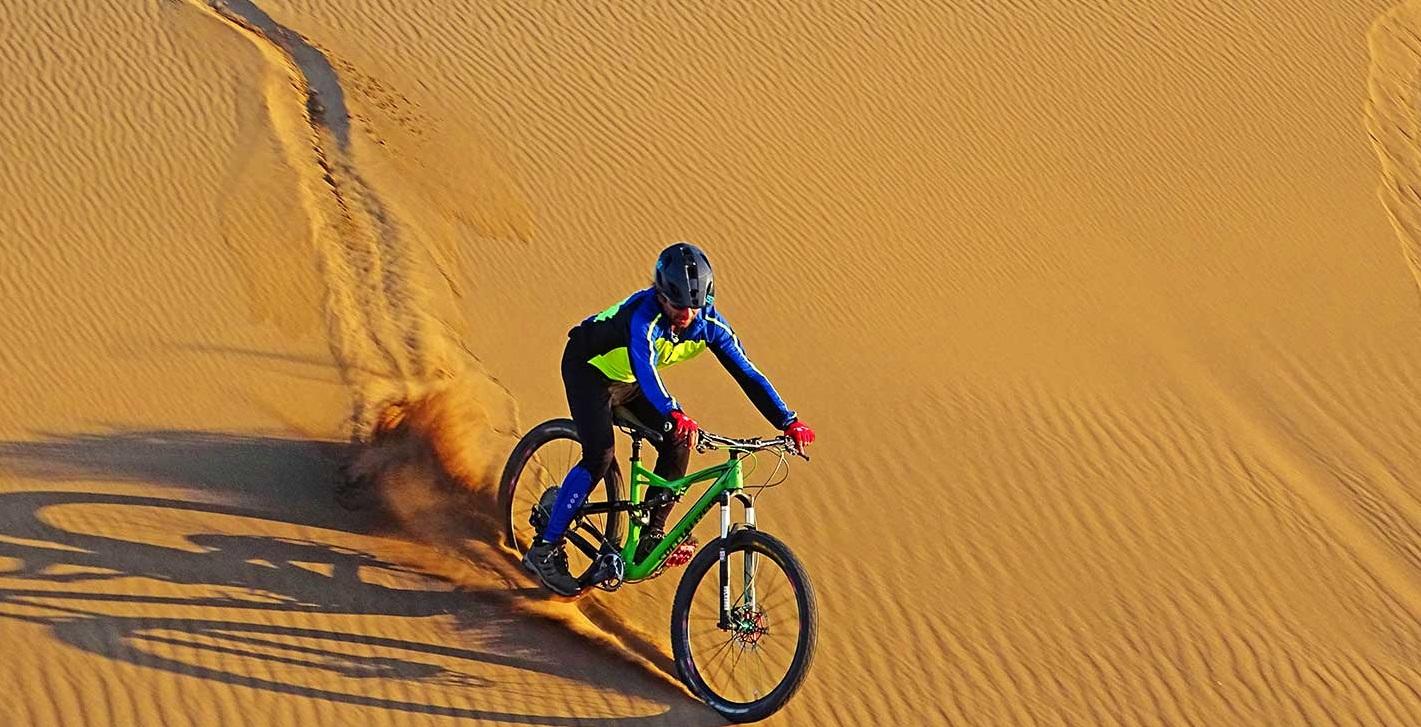
Desert cycling isn't just a sport — it's a way of thinking. It's a way to reconnect with yourself; the quiet of the open landscape helps you tune into your own thoughts. This kind of exercise is a reminder that the hardest part of any long, difficult journey is simply taking the first step. Biking through desert terrain is immensely rewarding, but it also comes with a specific set of challenges and hazards worth preparing for.
Understanding what to expect when traversing a desert landscape is the first step toward a successful trip. By planning ahead and packing the right equipment, you can reduce your risk and fully enjoy the breathtaking scenery.
Type of Bike
We originally ran desert cycling tours on mountain bikes, but they proved difficult to handle in sand dunes. We since switched to fatbikes — off-road bikes with oversized tires — which make the ride noticeably smoother and easier.
Desert ecosystems can be surprisingly diverse. Depending on the region, you might encounter loose sand, loose stones, slick mud, or even frost. It's worth researching the specific area you plan to explore so you know what conditions to expect.
Choosing the right tires can make a real difference — proper tires give you peace of mind even in tough off-road conditions. A flat tire in the middle of the desert can quickly become a serious problem, so carrying the tools to fix one is essential.
Equipping your bike with lights and a water bottle cage is also a smart move. And always bring a first aid kit along with other survival essentials, especially when exploring remote areas.
What to Wear
Protecting yourself from dehydration and sun exposure is critical in the desert. Strong sun can become a real health hazard, so sunscreen, water, and long sleeves go a long way toward keeping you safe from UV exposure. Sleeveless shirts might seem like a cooler option, but they actually increase both your sun exposure and the rate at which you lose fluids.
Though deserts are known for their heat, mornings and evenings can turn surprisingly cold. For longer trips especially, layered clothing is essential.
Equipment
Because desert air is so dry, dehydration can set in faster than in other climates — so drink water frequently. If you feel a headache coming on or start to feel faint, find shade and rest; these can be early signs of heat exhaustion. Even if the forecast doesn't look extreme, it's important to stay mindful and avoid overexerting yourself. Later in the day, heavy sweating combined with dropping temperatures and damp clothing can bring on a different risk: hypothermia.
Beyond the climate, desert terrain itself presents hazards — thorny plants, rocky outcrops, and sandy conditions that can easily lead to cuts or infections. Always carry a solid first aid kit, and make sure it's well-stocked for these specific risks.
Best Deserts in Iran for Cycling Tours
Iran is home to several notable deserts, including Lut, Maranjab, and Varzaneh, each with its own character and appeal — all suitable for desert cycling tours. Personally, I prefer running tours in Varzaneh, thanks to its proximity to Isfahan and its convenient location along the north–south travel route. The weather there is also especially pleasant in autumn and winter.
Explore Iran's desert landscape in a truly unique way through an exciting cycling tour, with all routes adjusted to match your fitness level. Each day features a selection of highlighted routes, with a support vehicle following along, and most riding takes place on smooth gravel roads.